By Diaspora Insurance
The world over, Christmas is a much-celebrated cultural and commercial phenomenon, with traditions and practices that are both religious and secular.
Celebrations, over generations, generally feature people spending time with family and friends, attending church, travelling, sharing and gift giving as well as expressions of gratitude.
This was the case this past December in most countries worldwide.
However, in Zimbabwe another tradition is also widely observed in the last month of the year. That tradition speaks to one of the key premises of Diaspora Insurance’s funeral cash policies; which is that end of life costs costs do not begin and end with laying to rest our loved ones.
In a feature article published by Associated Press (AP) recently, one Chipo Benhure said she started saving early for “a holiday season to remember” in Zimbabwe, but it wasn’t for a party or vacation.
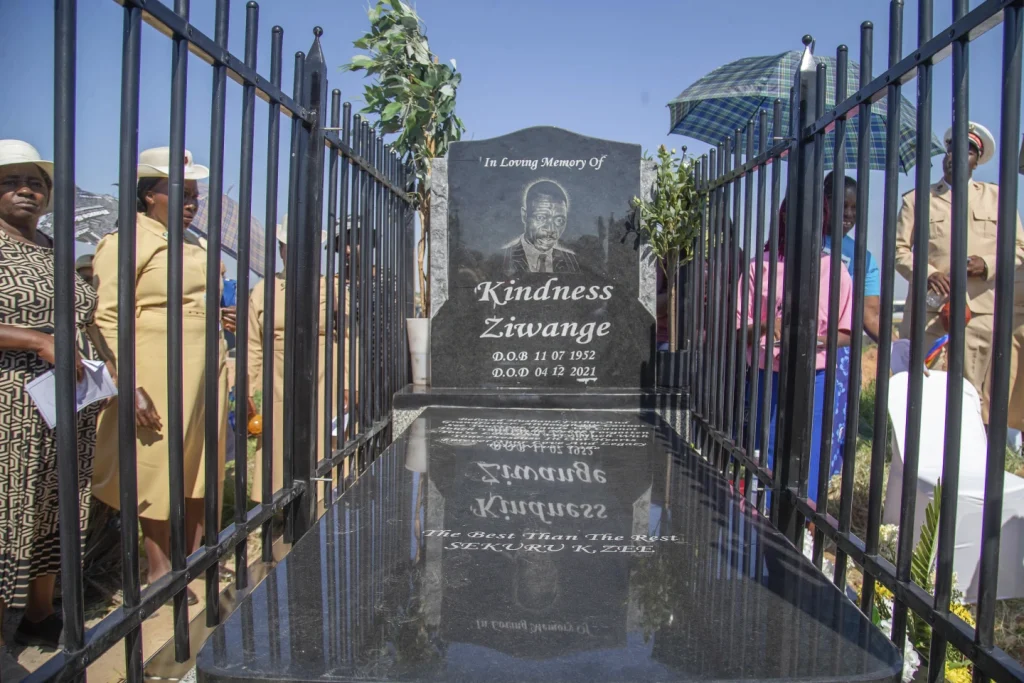
The highlight was a graveyard ceremony to unveil her late mother’s tombstone; a generations-old rite that has come to be associated with long holidays such as Christmas.
“I didn’t want to be found wanting come Christmastime, so I was putting aside a few dollars each month,” Benhure told AP.
Zimbabweans traditionally use long holidays such as the Christmas season to hold often joyous graveyard rites that include song, dance, Christian prayers or invitations for ancestral spirits to protect and guide the living.
Many believe such ceremonies can bring blessings — but neglect them too long and a curse could result. Until the ceremonies, graves are marked by simple metal signs or nothing at all.
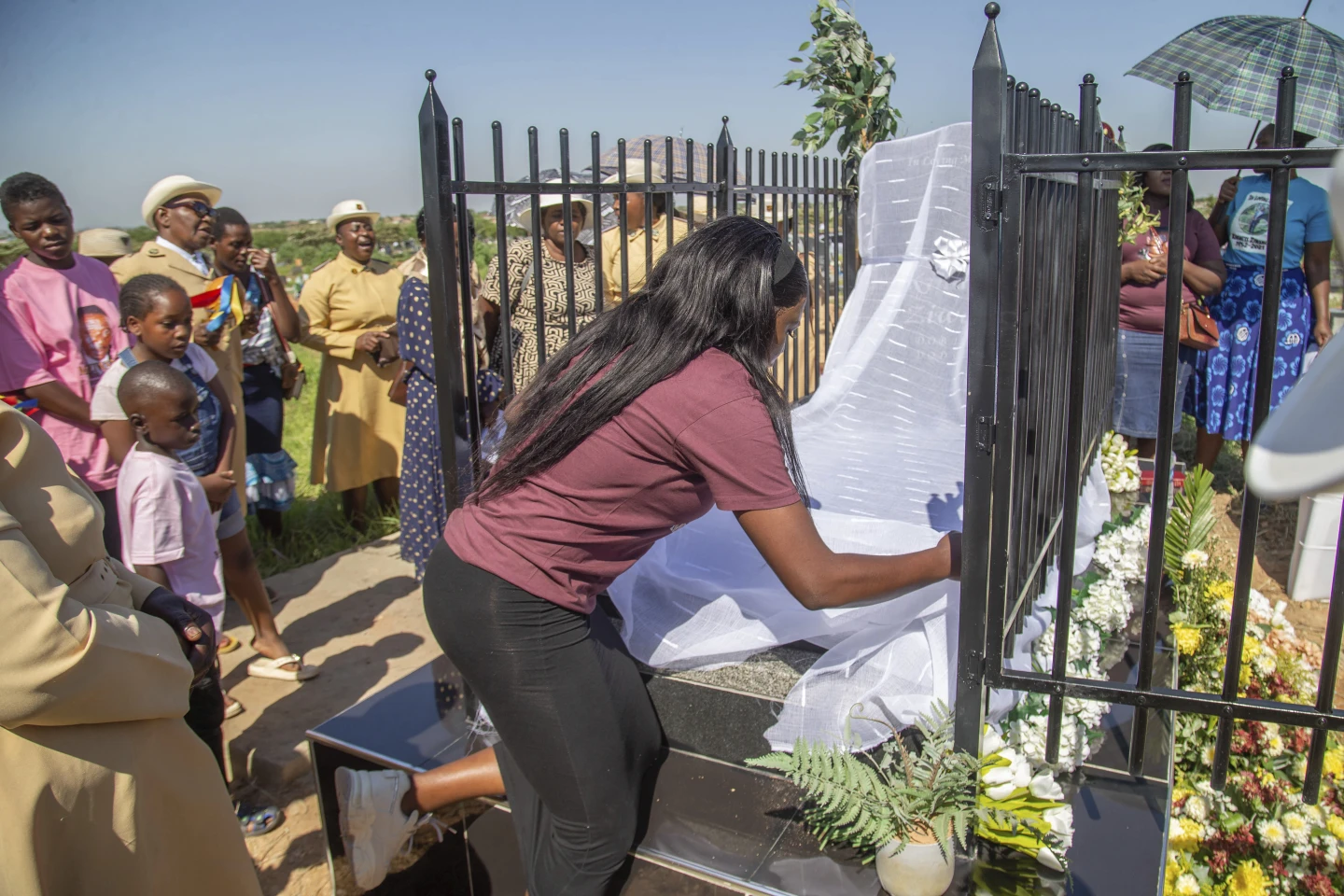
And yet, important and widely observed as the tradition is, many are forced to serve up over several months because the tombstone and the unveiling ceremony itself require significant amounts of money.
In Zimbabwe tombstones can cost anything from US$450 to as much as US$2,500 in a country where many a weakened economy seen average urban household income decline to $200 and many thus struggle to survive.
For Benhura, the black granite tombstone she chose cost some US$450; and then there was the cost of flower bouquets, buying sacks of groceries and transporting to their rural home about a dozen relatives for the ceremony.
Elsewhere, the family of the late Kindness Ziwange said it had spent over $2,000 on the ceremony, including $900 for a tombstone.
Afterward, close to 50 relatives, friends and neighbours feasted on fried potatoes, fried rice, grilled chicken, stewed beef and vegetable salad.
“We will lay low on Christmas Day. We already had our big day today as a family. Some travelled through the night for this event,” said a relative, Isabel Murindagomo.
As indicated above, the AP feature emphasises the inherent weakness of traditional ‘goods and services’ funeral support and assistance schemes whose design premise anticipates just the cost of the funeral but no further.
With a Diaspora Insurance Funeral Cash Plan, families may not face the additional challenge of either borrowing or serving up money traditions such as tombstone unveiling.
With a cash policy of £20,000 families can have guaranteed peace of mind in the certainty that they will have enough money for the immediate end of life expenses such as the funeral as well as further costs related to important traditional practices such as memorial services and the unveiling of tombstones.