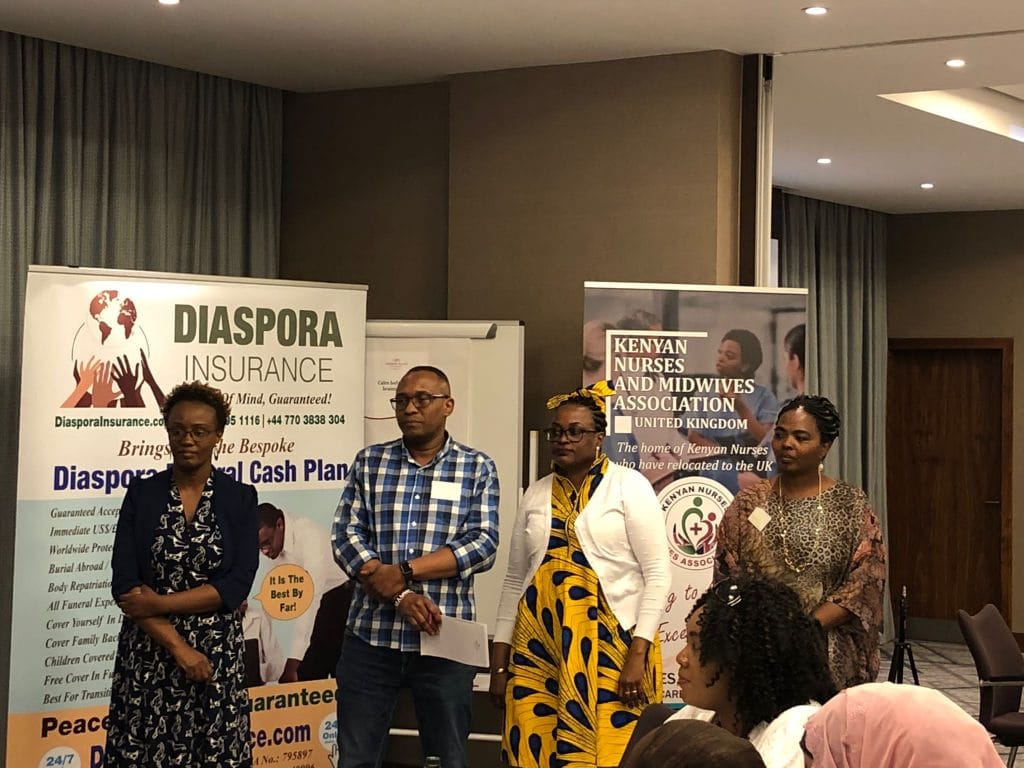
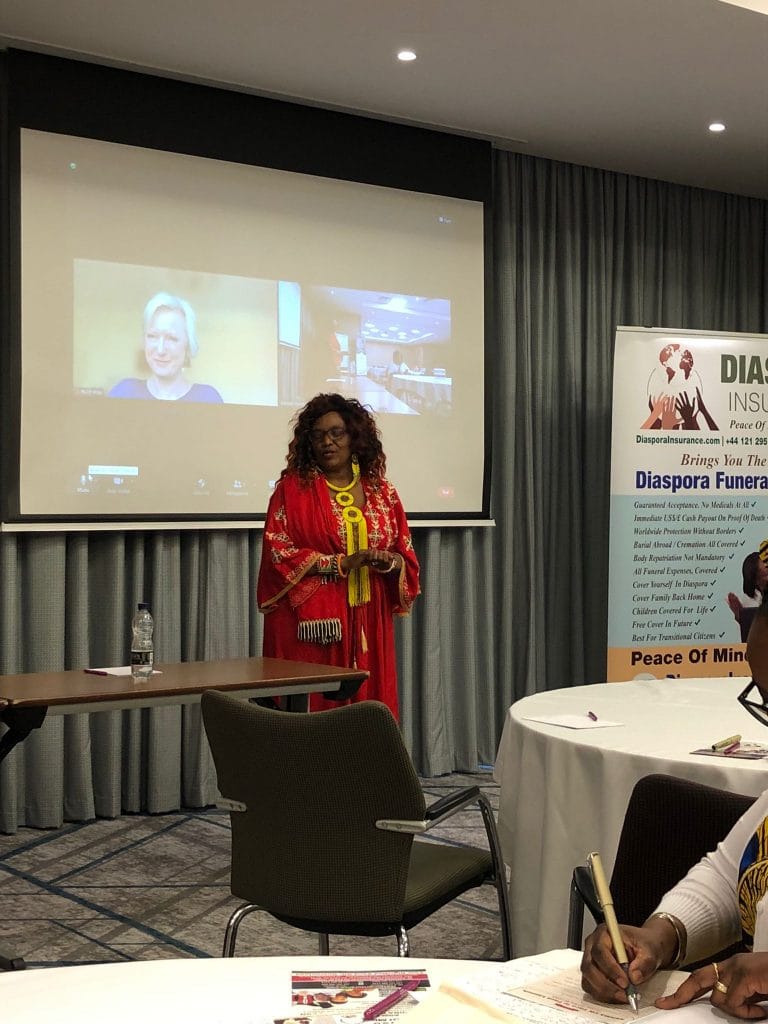
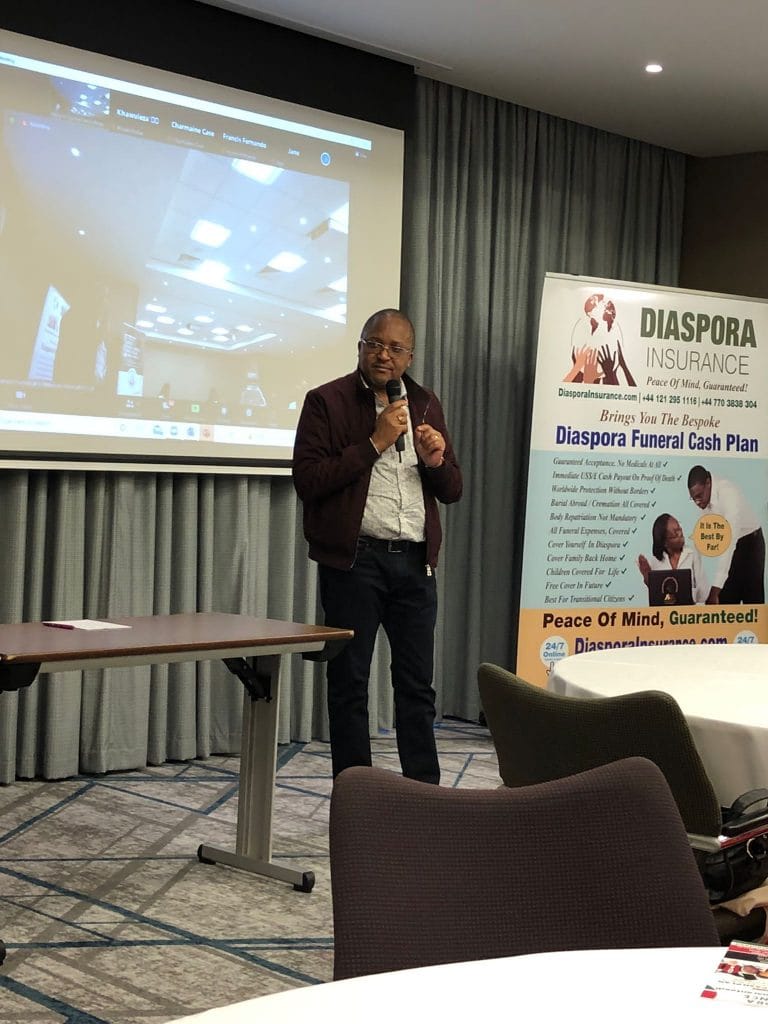
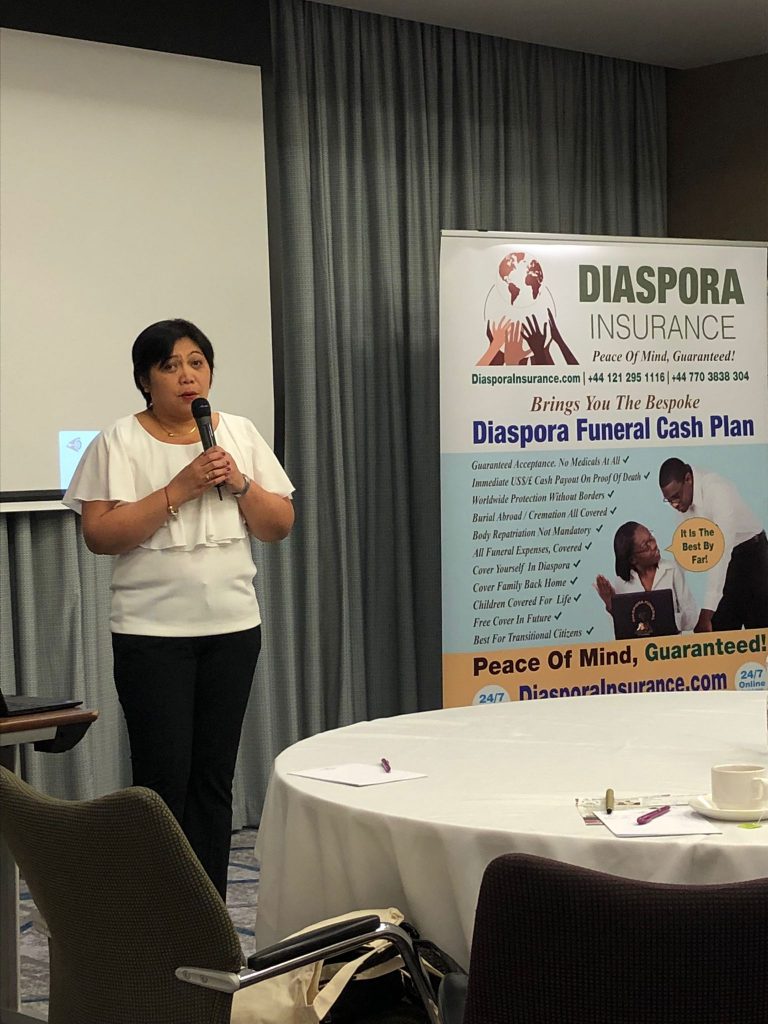
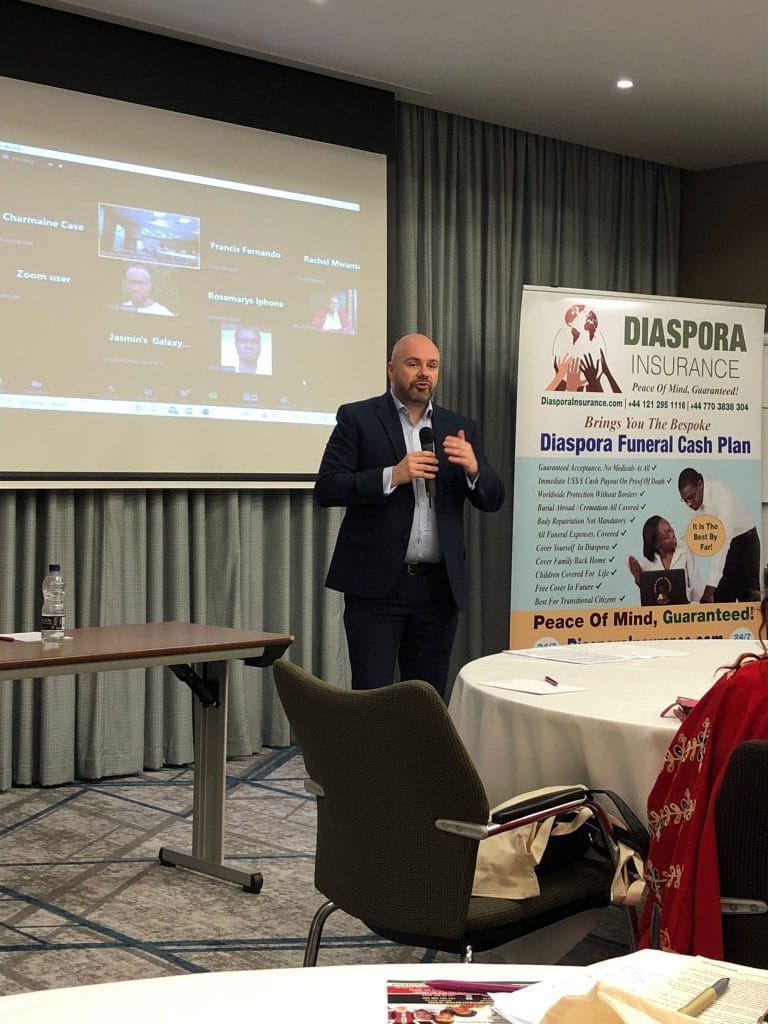
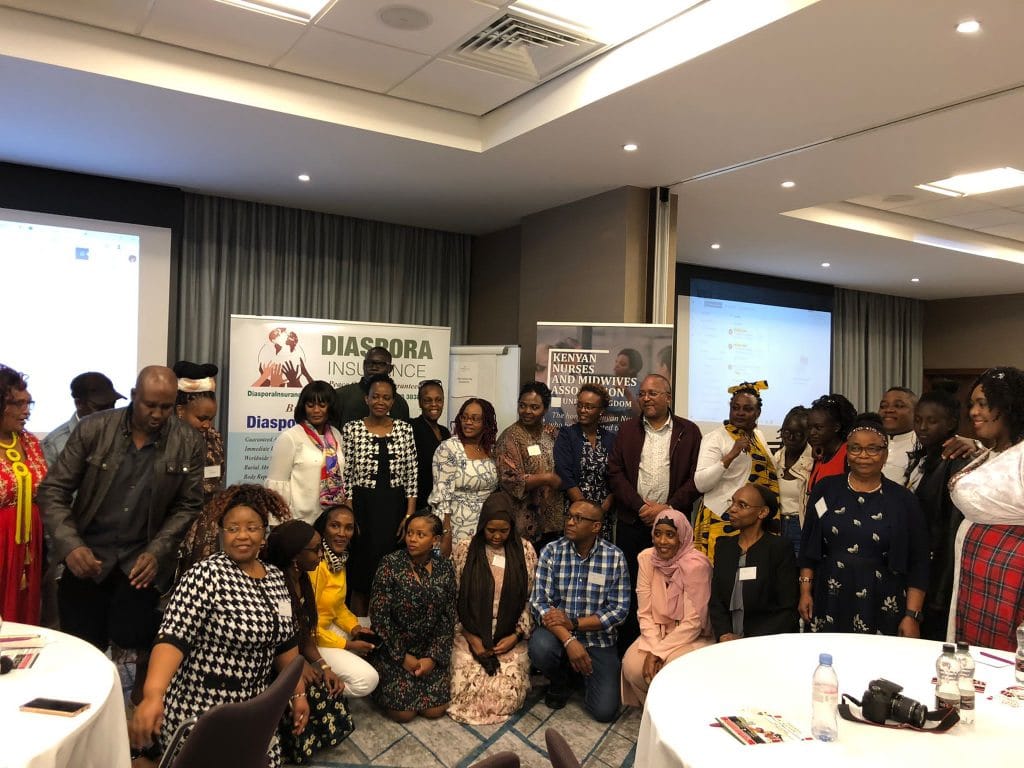
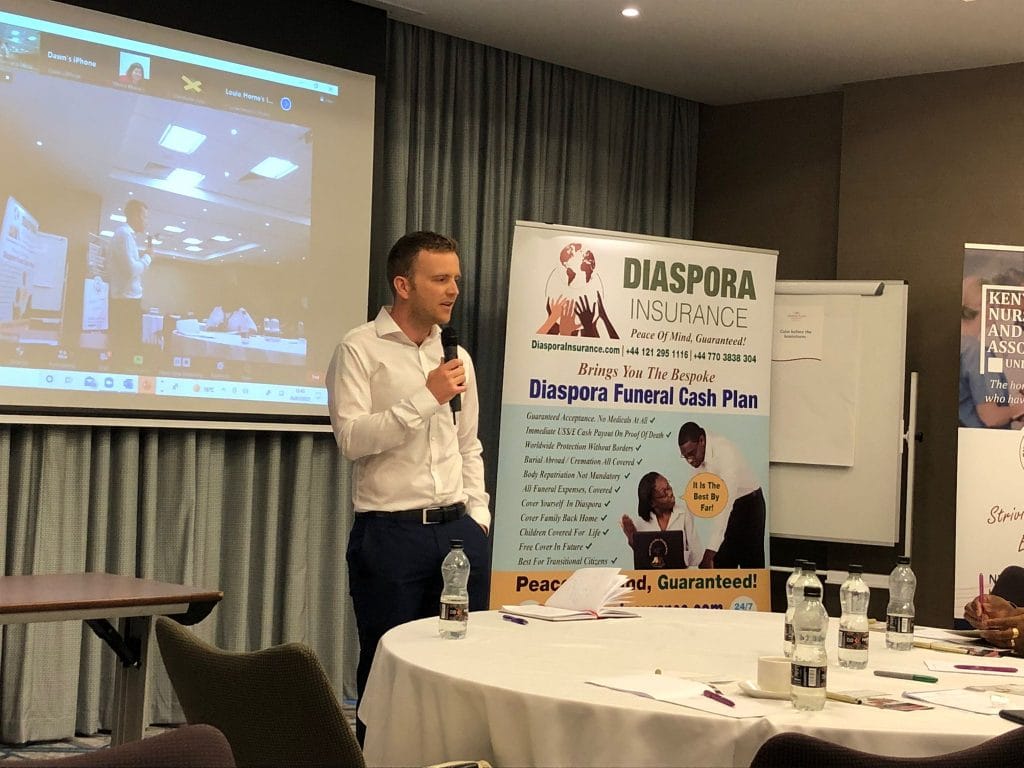
On the 26th of March 2022 the Kenya Nurses and Midwives Association (KENMA) – UK held their first face-to-face launch at Crowne Plaza Hotel in Reading, United Kingdom. The leadership of KENMA-UK comprises Bernice Boore – President, Sally Nyinza – Vice President, Joseph Pakia – Secretary and Irene Macharia – Admin. KENMA-UK is a professional association of Kenyan nurses and midwives who are now living and working in the United Kingdom. The launch of the association comes at a critical time soon after the worst part of the COVID-19 pandemic that disproportionately affected healthcare workers from ethnic minority backgrounds. Recognising the key role played by diaspora nurses in the UK, and the socio-economic challenges they face, Diaspora Insurance sponsored this key event.
Invited guests and keynote speakers included senior officials from the National Health Service (NHS) like Ruth May who is the Chief Nursing Officer England, Duncan Burton, the Deputy Chief Nursing Officer England, Dr Joan Myers OBE, QN Director, Jenny Caguioa, International Recruitment Advisor and the Deputy High Commissioner of Kenya to the United Kingdom, leaders of other nurses associations of nationals from the Philippines, Nigeria, Malawi, India and Uganda who are working in the NHS.
Ruth May, the Chief Nursing Officer England, acknowledged the immense contribution made by foreign nurses in the UK since the formation of the National Health Service in 1948. She also paid tribute to the nurses and midwives who died during the COVID-19 pandemic over the past two years. Bernice Boore, KENMA-UK President, explained to the guests that the association forms a platform to tackle issues facing nurses, to share stories about their journeys and a safe space where they can talk. One of the key reasons for the formation of the association is to support the newly recruited nurses from Kenya. The Kenya government through its labour cabinet secretary, Simon Chelugui, signed an MOU with Sajid Javid, the UK health secretary in July 2021. Through this MOU, Kenya will supply about 6, 000 qualified nurses to the UK yearly.
The Deputy Chief Nursing Officer for England, Mr Duncan Burton, who is also responsible for international recruitment of nurses and midwives, highlighted the need for international nurses associations to collaborate and speak with one voice. But what grabbed the attention of the attendees and the guests, is that the UK government has a target of recruiting 50, 000 international nurses by 2024 to fill the huge shortage of nurses in the NHS.
Jenny Caguioa, International Recruitment Advisor, mentioned the need to recognise the contribution of ethnic minorities but lamented that their contribution has been downplayed across Europe. She mentioned that initially there were about 4 international nurses associations in England but now they are 18. The COVID-19 pandemic accelerated the formation of these associations, she said. A lot of people started to question why more ethnic minorities were dying than others in the NHS. Analysis showed that one of the reasons is the lack of career progression for foreign trained nurses; a lot of ethnic minority nurses are at the forefront, providing the actual care to patients, leading to the highest exposure to the virus. Many white nurses and midwives are in middle and senior management roles, with limited exposure to the virus. This lack of foreign nurses in leadership roles is mainly due to the fact that their overseas experience is not recognised in England. Nurses who had been in very senior positions in Africa and Asia, are put in the lowest band when they join the NHS. Jenny suggested the need to do a Windrush comparison to see where we are right now compared to the Windrush.
Dr Joan Myers OB, QN Director, an excellent motivational speaker, spoke about breaking barriers and bias at the workplace. She motivated women to rise to the top by quoting Michelle Obama: “There is no limit to what we as women can accomplish.” She also advised nurses and midwives to have someone that they aspire to and look at their job description and their CV, then pick what the nurses don’t have on their CV. You then develop a plan to acquire those skills and qualifications that are missing on your CV so that you can get to your aspired position, said Dr Myers.
Stuart Tuckwood, National Officer for Nursing Unison, a trade union of nurses in England, encouraged overseas/international nurses to join the union. The union helps the nurses to fight the bullies at the workplace, fight racism in the NHS and has colleagues that know the policies, he highlighted. He also mentioned that the union has not been sensitive to the needs of overseas nurses.
Felicia Kwaku OBE, Assistant Director Nursing at King’s College, graphically demonstrated the disproportionate impact of COVID-19 on blacks and brown nurses. Some of the issues that she discussed were that agent nurses (majority are foreign) did not get correct information and could not get PPE at work places. She also mentioned that black nurses were victimised when they raised concerns that the FFP3 masks designed to fit whites were not suitable for blacks who have different facial features. Other worrying findings are that platforms where employees can bring their concerns are not representative of the workforce. The Freedom To Speak Guidance is 80% white, making it uncomfortable for blacks to speak about racism. Felicia encouraged BME nurses to work together to demand change since there is strength in numbers. She also highlighted the importance of having a mentor/coach that can propel you in your career.
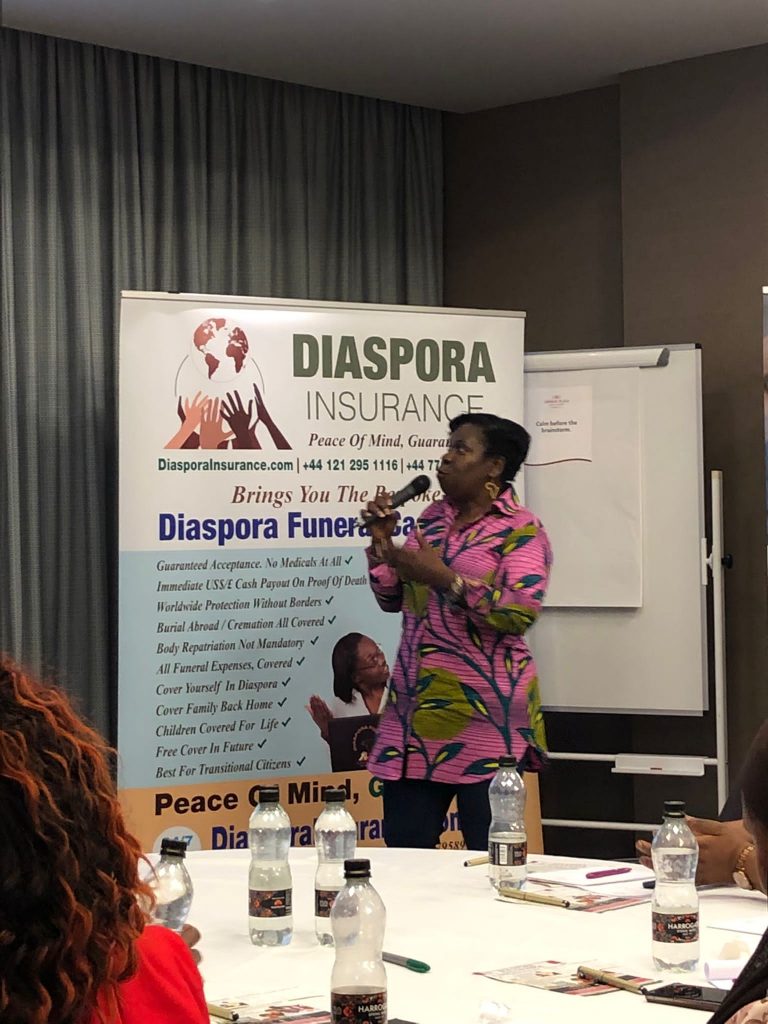
Dr Sibert Mandega, Executive Director of Diaspora Insurance, acknowledged the huge sacrifice made by the Kenyan nurses and all other international nurses in England, especially during the COVID-19 pandemic. He spoke about the insurance risks that foreign nurses face in the diaspora especially when it comes to end of life expenses. This risk is exacerbated by the dual citizenship of international nurses; they belong to their host country and their country of birth. This creates huge challenges especially when it comes to death. In most cases most families want to repatriate their loved ones when they pass away but they do not have enough resources. This is even worse for newly recruited nurses and midwives. He encouraged the members of KENMA-UK and other nurses from the 13 African nationalities covered by Diaspora Insurance to get their peace of mind by insuring themselves and their families back home on the Diaspora Funeral Cash Plan. This is a cash cover that pays out cash immediately, to cover all end-of-life expenses as the beneficiary sees fit. End of life expenses include repatriation, flights, accommodation, administration, burial abroad etc. He also mentioned how Diaspora Insurance is working together with many organisations and associations to support their members badly affected by the pandemic. Recently, they sponsored a memorial service for the victims of the pandemic hosted by the Ghana Christian Council and Ghana Union in London.
To close such a powerful event was the Deputy Kenyan High Commissioner to the UK, Mr Joakim Kamere. He mentioned that nurses from Kenya are ambassadors for Kenya and that they should strive to be the best in the world. He also promised that the Kenyan embassy will support KENMA-UK. Mr Kamere also highlighted the bilateral agreement between the UK government and the government of Kenya whereby Kenya will be supplying nurses to the UK. This is because Kenya is currently producing more nurses that it can employ yet UK has a huge shortage of nurses. There is also an exchange program for healthcare professionals between hospitals in Kenya and Manchester University. This is designed to facilitate skills transfer between the two countries.
About Diaspora Insurance
Diaspora Insurance is the provider of the bespoke Diaspora Funeral Cash Plan, a funeral cover designed for Africans living in the diaspora away from their countries of origin. The Diaspora Funeral Cash Plan offers immediate financial intervention and pays out cash within 24 hours of proof of death. The immediate cash pay-out guarantees peace of mind to diasporas and their families worldwide.
Click here for more Diaspora Funeral Cash Plan Benefits.
For a Diaspora Funeral Cash Plan, get your Quote & apply here https://diasporainsurance.com/funeralcover/
WhatsApp: +44 770 3838 304 UK and International
WhatsApp: +27 659 070 419 South Africa